
Bonded Warehouses Explained: What Importers Need to Know
A bonded warehouse stores imported goods under customs supervision, deferring duties until withdrawal. Learn how it works and what it means for your inventory.
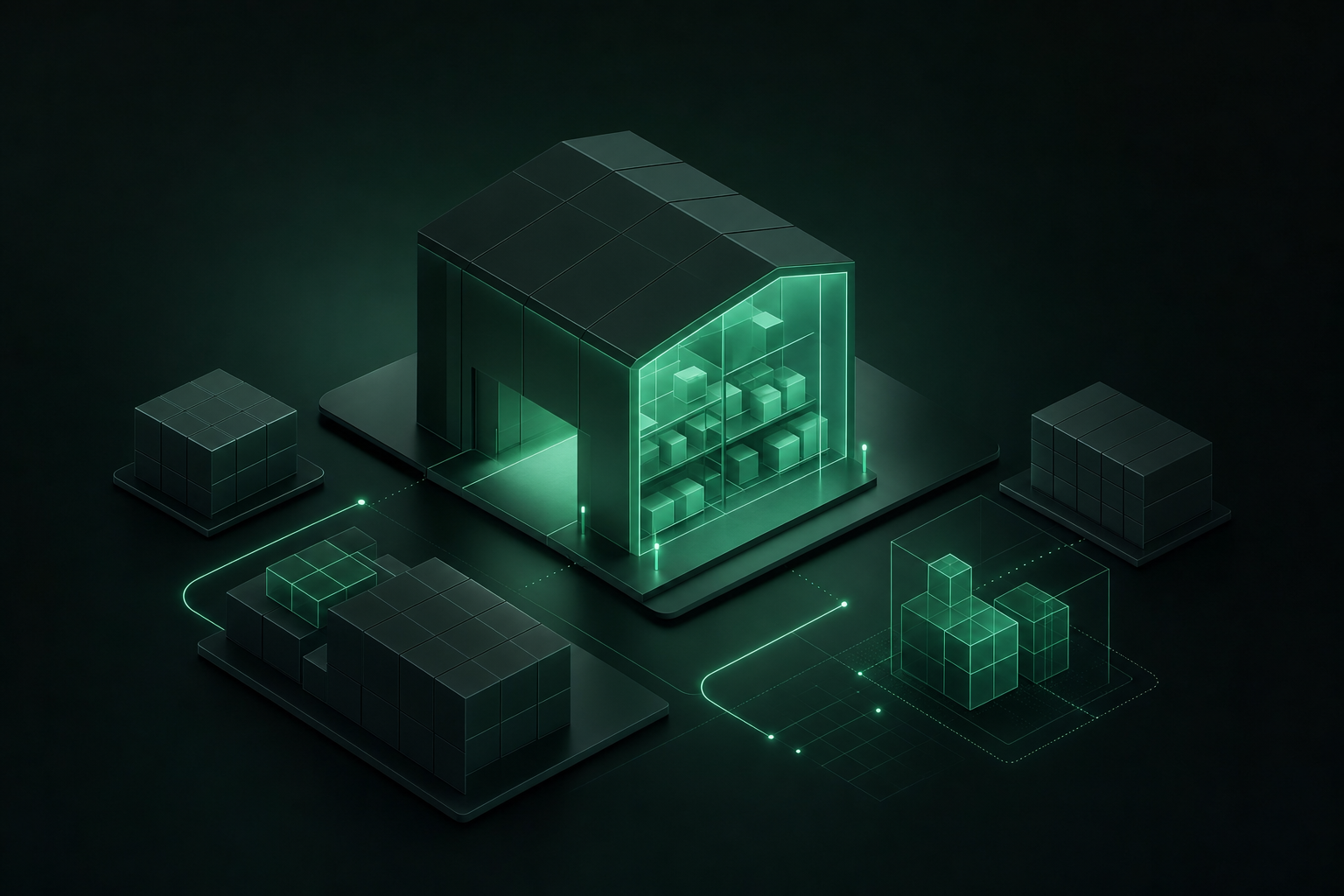
If you import goods into the United States, you've likely encountered the term bonded warehouse. Understanding how these facilities work gives you more control over cash flow, tariff exposure, and supply chain timing.
What Is a Bonded Warehouse?
A bonded warehouse is a government-authorized storage facility where imported, dutiable goods are held under customs supervision without immediate payment of customs duties until the goods are withdrawn for domestic use or re-export.
In plain terms, the goods are physically in the country, but legally they have not yet entered the domestic market.
How Bonded Warehouses Work
The mechanics are straightforward:
- Bond posting: The warehouse operator or importer posts a customs bond with U.S. Customs and Border Protection (CBP), covering the potential duty liability for all goods stored.
- Goods enter under bond: Once admitted, the goods are treated as being outside domestic commerce. No duties are owed yet.
- Storage window: Under CBP oversight and 19 U.S.C. Section 1555, goods may be stored in a bonded warehouse for up to five years from the date of importation.
- Duty trigger: Duties become due only when goods are formally withdrawn for domestic consumption or sale. If the goods are re-exported instead, no duties are owed.
CBP recognizes eleven types of bonded warehouses, ranging from government-operated facilities to private warehouses approved for specific importers. Each type has different rules about what may be stored and what activities are permitted on the premises.
Key Benefits for Importers
Bonded warehouses are a practical tool for businesses that carry imported inventory:
- Duty deferral: You pay duties only when you're ready to sell, not when the shipment arrives. For large seasonal orders or slow-moving SKUs, this can free up working capital.
- Re-export flexibility: If demand shifts or a better market opens abroad, goods can be re-exported duty-free, since duties were never triggered.
- Tariff strategy: If a tariff change is expected, holding goods in bond gives you the option to withdraw before a rate increase or wait for a rate reduction, without the goods sitting in an uncontrolled domestic warehouse.
Bonded Warehouse vs. Foreign Trade Zone (FTZ)
The two are often confused, but they serve different purposes. A bonded warehouse defers duties until the goods are withdrawn for domestic sale. A Foreign Trade Zone can eliminate duties entirely on certain inputs, particularly when imported components are used in manufacturing and the finished product is exported, which avoids the "inverted tariff" problem where components are taxed higher than finished goods.
For most small and mid-size importers, a bonded warehouse is simpler to access and operate. FTZs require more regulatory setup and make the most sense for manufacturers with complex international supply chains.
Managing Inventory After Goods Clear Customs
Once goods are withdrawn from a bonded warehouse and duties are paid, they enter your domestic inventory, and that's where landed cost accounting becomes critical.
Landed cost includes the product cost, freight, insurance, customs duties, and any other charges incurred to get goods to your warehouse door. If you're not capturing the duty component accurately at the SKU level, your margins will be wrong every time. VNDLY tracks landed costs per purchase order line, so the duty you just paid flows directly into your cost of goods and margin calculations.
Ready to get a handle on your post-customs inventory? See how VNDLY tracks landed costs, or start a free trial to connect your import workflow to your sales pipeline.
Related articles
- GuidesWhat Is a Serial Number? Examples + Guide [2026]
- Industry Data20% Inventory Carrying Costs: 2026 Data & Ways to Cut Them
- Industry Data$30 Per Picking Error: The Real Cost [2026 Data]
- How-To GuideInventory Valuation: Know Your True Stock Cost [2026]
- Industry Data19.3% of Online Sales Are Returned [2026 Data]
- StrategyCan't See Multi-Location Stock? Fix It [2026]